Decorative lighting for parks and gardens
A park is lit for walking and for feeling safe, not for reading. The goal is gentle, even light at eye level, with no glare in the face.
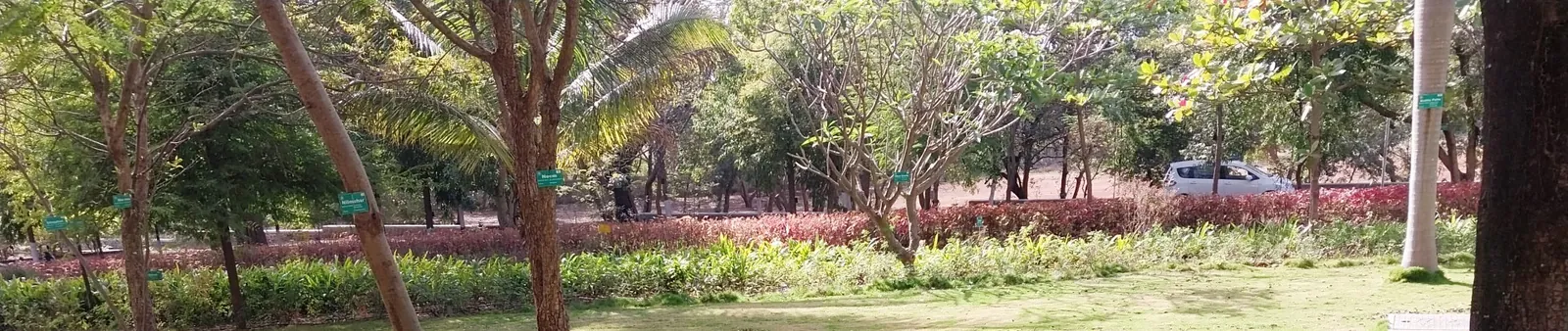
Design basics
| Item | Starting point |
|---|---|
| Pole height | 3 to 5 m on main paths; bollards under 1.2 m on side paths |
| Spacing | About 3 to 4 times the height, closer where trees shade the path |
| Colour temperature | 3000 K warm white is gentle on foliage and faces |
| Light level | Commonly 5 to 10 lux on paths, more at entrances and play areas |
| Material | GI pole with powder coat; aluminium crown optional |
| Power | Grid where cables exist, solar for outer or new areas |
Things that go wrong
- Poles hidden behind trees. Plant growth outpaces the lighting plan in three to four years. Check mature canopy sizes during design.
- Glare from clear lenses. Visitors see bright dots instead of faces. Choose diffused or shielded luminaires.
- Cheap bollards. Low fittings take the knocks from mowers, kids and bikes. Look for high IK ratings and metal bodies.
- Dark pockets at gates. Entrances and exits need a brighter pool of light than the middle of the park.
For wildlife areas and bird roosts, ask the park authority about dark-sky guidelines. Warmer and lower lighting helps.
Questions people ask
What height pole is right for a garden path?
Three to five metres suits most paths. Taller poles throw light too wide, and shorter ones can create glare.
Are solar lights good for parks?
Yes, when the sky is open. Tree shade is the main limit. A mix of solar and grid poles is common.
Need a quote or a second opinion on your pole spec?
Send the road width, pole height and quantity. A technical person replies, usually the same working day (Mon to Sat, 9 am to 6 pm IST).
Get a project quote
Four fields. We call back, or message on WhatsApp if you prefer.